Tree-nut allergy is one of the most common food allergies. It carries a risk of life-threatening anaphylaxis. The condition can affect persons of any age and those affected are usually affected for life. Even the smallest quantity may provoke a severe reaction.
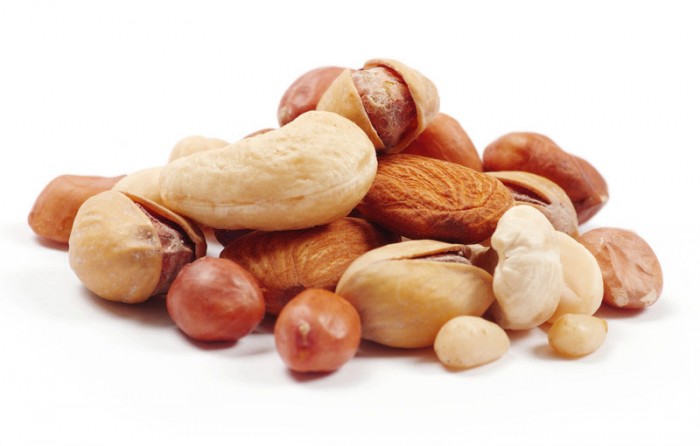
The tree-nut family includes almonds, hazelnuts, pecans, cashews, chestnuts, walnuts and macadamia nuts. This is not a full list. If you suffer a reaction after consuming any one type of tree-nut you should avoid all others unless your doctor has advised otherwise after conducting thorough tests. Tree-nut allergy is different from peanut allergy as peanuts are a type of legume and contain a different type of protein from tree-nuts. However, doctors often advise those with tree-nut allergy to avoid peanuts as a fairly high proportion of those allergic to one are allergic to both. Similarly, coconuts and pine-nuts, which are technically seeds, will not necessarily cause a reaction in those allergic to tree-nuts. However, if you are allergic to tree-nuts you should never assume that peanuts, coconuts or pine-nuts are safe to eat. If in doubt, see your doctor who can refer you for thorough testing.
Nut Allergy Symptoms
Seek medical advice if you or your child displays any of the following symptoms after eating tree-nuts or products which contain them. Symptoms may appear anything from a few minutes after consumption to several hours later:
- Hives
- Itchiness anywhere on the body, most often in the mouth, throat, eyes or skin
- Stomach ache or cramps, vomiting, diarrhea
- Wheezing, difficulty breathing, speaking or swallowing
- Rapid or slower pulse, drop in blood pressure, loss of consciousness.
Symptoms of anaphylaxis may occur within 5 to 30 minutes. In addition to any of the more serious symptoms listed above, those affected may have swelling in the throat, a red rash, and be overcome by a sense of doom.
If you are at risk of anaphylaxis your doctor will prescribe you with an auto-injector for self-administration of Epinephrine (known in the UK as Adrenaline). You must carry this with you at all times and know how to use it. If your child has an auto-injector make sure that teachers, relatives and any other care-givers know how and when to use it. You should always carry at least two doses and should check regularly that the expiry date has not passed.
If anaphylaxis is suspected, epinephrine must be administered immediately whilst an ambulance is called. The patient must be taken to the nearest emergency medical care centre as a matter of urgency.
Diagnosis
Your doctor or allergy specialist may conduct blood tests and skin-prick tests to work out which particular tree-nuts or related foods need to be avoided.
In some cases the allergist will want to conduct an oral food challenge. During the challenge, the patient is given small amounts of the allergen to eat and the reaction is observed. For obvious reasons, this test can only be done under close medical supervision where emergency drugs and equipment are readily available. The food challenge test can be useful in predicting, not only what particular products the patient might be allergic to, but also the likely severity of a reaction.
Management of the condition
If you suffer from tree-nut allergy you need to avoid all tree-nuts which may provoke a reaction and products containing them. Consult your allergy specialist to see whether you should also avoid peanuts, coconuts, pine-nuts and seeds.
Tree-nuts
The list of tree-nuts include, but are not limited to, almonds, hazelnuts/filberts, pecans, cashews, chestnuts, walnuts, macadamia nuts, pistachios, lichee nuts, ginko nuts, beech nuts and hickory nuts. Some people are only allergic to one particular type of tree-nut but you should never assume that this is the case.
Products containing or which may contain tree-nuts
As well as avoiding tree-nuts you must always read the labels on pre-packaged foods. Because of the risk of a serious reaction from those allergic to tree-nuts, most countries, including the UK and the USA require manufacturers to list whether foods contain tree-nuts. Manufacturers might change the ingredients in a particular product from time to time so just because something has been safe to eat in the past does not necessarily mean it is safe to eat again without reading the label.
Foods which may contain tree-nuts include nut oils, marzipan, nut butters, nougat, chocolate bars, chocolate spreads, pralines, cereals, muesli, cereal bars, energy bars, cakes, biscuits, macaroons, vegetarian burgers, vegetarian sausages and nut loaves, pesto, mortadella, salads (such as waldorf salad), salad dressings, and anything labelled as including natural or artificial flavourings. This is not a full list.
Some alcoholic drinks such as amaretto, frangelico and Bombay sapphire are made from tree-nuts and should be avoided.
Other products which may contain tree-nut
Tree-nuts can be found in various non-food products, such as bird food, pet food, body creams and lotions, sun lotion, bean bags and massage oils. Unless you are certain that these will not provoke a reaction in you they are best avoided if possible. If in doubt contact the manufacturer.
Eating out
Be as vigilant as possible when eating out. Make sure you bring your Epinephrine auto-injector.
Always inform your host or the staff in a restaurant of your allergy and the potentially life-threatening nature of a reaction. If they are not able to give you a 100% guarantee that the food or drink you are consuming is free from anything that you are allergic to, avoid eating there altogether. Be especially vigilant in Asian, African or Italian food outlets, which often use tree-nut products in their cuisine.
Foods which may be eaten
The list of foods to be avoided can seem overwhelming. However there are many ways of ensuring a balanced diet whilst avoiding tree-nuts. Bake your own cakes and biscuits. Use olive oil or sunflower oil and butter instead of nut oils in cooking. Many cereals are safe to eat provided you read the labels carefully.
It is important, especially in growing children, to ensure the individual with a tree-nut allergy receives sufficient alternative sources of protein for growth and general health. Meat, eggs and fish (where tolerated) are all good sources of protein.
Medical advances
There is currently no cure for tree-nut allergy although medical advances are being made in the accurate diagnosis of the condition, and research is being done to see whether immunotherapy, which is helpful in the treatment of non-food allergies such as wasp and stings might advance the treatment of tree-nut allergy.