If you suffer from a blocked or runny nose almost all of the time then you may be allergic to household dust. In fact many people with dust allergy have become so accustomed to the annoying symptoms of this condition that they assume it is simply normal to feel the way they do, and have never had their symptoms properly investigated. However, there are many simple steps that can be taken to make life more tolerable for persons with dust allergy.
Causes of Dust Allergy
The condition is not an allergy to dust itself, but to specific biological components which might be contained in the dust. For many sufferers, their reaction is actually a reaction to particles from dead house dust mites, or proteins contained in the droppings from these creatures. Dust mites like to feed off dead scales of human and animal skin. Other culprits include saliva and particles from dead cockroaches, mold spores, pollen from trees, grass, and flowers, flakes from fur and feathers, or pretty well any other allergen which might be floating around in the air.
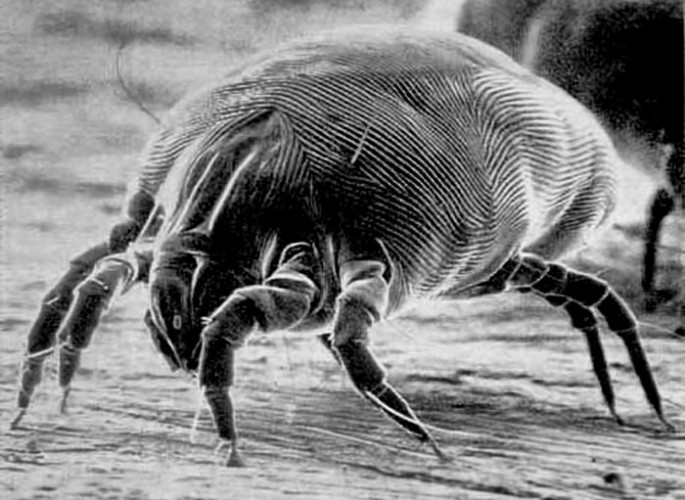
Dust mites thrive in warm, moist conditions. They die if humidity levels are below 50%, or if they are exposed to sunlight. However, even when a dust mite has been killed, its droppings, and body particles may still remain and therefore continue to cause symptoms.
Cockroaches are found in most urban homes. We tend to associate them with bad housing conditions, but they can appear anywhere. Like house dust mites, they thrive best in damp areas.
Mold spores also thrive in warm, damp rooms. They may be a particular problem in bathrooms and kitchens, but can be found in any room of the house, especially if it is damp.
Symptoms of Dust Allergy
Symptoms can come on soon after exposure to dust. They may be worst first thing in the morning, after exposure to dust during the night, or soon after entry to a home which is particularly dusty. Any of the following could be a sign that your allergy is triggered by particles in dust:
- Sneezing, runny, congested or itchy nose
- Red, itchy or weepy eyes
- Itchy throat
- Atopic dermatitis or eczema, which may get worse after exposure to dust
- Symptoms of asthma, which might include wheezing, coughing, shortness of breath and/or a tightness around the chest
Diagnosis
Your doctor may decide to do a skin prick test, where a tiny amount of allergen is placed on the skin which is then pricked or scraped with a needle. A skin reaction may possibly indicate an allergy to that particular substance. It is possible, but less likely, that your doctor may refer you for blood tests.
Management of dust allergy
Dust allergy is best managed by both lifestyle changes and medication to relieve symptoms.
Keeping your surroundings as dust free as possible
It is impossible to completely eliminate the particles that trigger dust allergy from your surroundings, but there are many simple steps that you can take to significantly reduce your exposure to the allergens which trigger dust allergy.
First of all, de-clutter your home, especially the bedroom, so that it is easier to keep clean and dust free. Damp dust and vacuum your home regularly. Pay particular attention to places like under the bed, shelves, and tops of doors and cupboards. Use a vacuum cleaner which is purpose built for allergy sufferers as some normal vacuum cleaners can cause dust to circulate in the air, actually making things worse for allergy sufferers. You may find it helps to wear a mask whilst dusting and vacuum cleaning. If possible, try to get somebody who does not have a dust allergy to do the household cleaning.
Hardwood or vinyl floorboards, which can be wiped clean with a damp cloth, are better than carpets, as dust mites, cockroach particles, pollen and other allergens can be difficult to remove from rugs and carpets. If you are stuck with carpets, steam clean them at least once a week. Soft furnishings and curtains should be kept to a minimum and should be ones which can be washed at high temperatures or steam-cleaned.
Use mite-proof covers on mattresses, pillows and duvets. Wash all bedding at least once a week at temperatures over 60 degrees centigrade (140 degrees farenheit).
Try to keep humidity levels between 40% and 50%. Levels below 50% will help discourage dust mites, cockroaches and reduce mold spores. You do not want humidity levels much below 40% as very dry air can make some breathing problems worse. Humidity can be measured using a hydrometer. If levels are above 50% think about ways of bringing levels down. A dehumidifier might help. Concrete floors trap moisture so you might seal these with a vapor barrier. The allergy sufferer’s bed should ideally be placed somewhere which gets lots of sunlight and in an area which is well ventilated.
For infants and children with dust allergy, try to keep soft toys out of the crib. Soft toys should either be washed at 60% or, if this is above the recommended temperature, place the toy in a plastic bag in the freezer for 24-48 hours before washing at the permitted temperature. This should be done once a week. To avoid tears at bedtime, some parents find that it works to duplicate a much loved cuddly toy.
Medication
Speak to your doctor about the most suitable medication. Decongestants, antihistamines and corticosteroid sprays are available over the counter or on prescription. If your dust allergy triggers symptoms of asthma, good management is essential to avoid serious asthma attacks. For this your doctor will probably prescribe reliever and preventer inhalers.
Immunotherapy
Immunotherapy, sometimes known as desensitization, involves slowly exposing the allergy sufferer to ever-increasing doses of the allergen. This can alter the immune response and, for some people, significantly reduce if not eliminate symptoms. Speak to your doctor about whether this might be suitable for you.